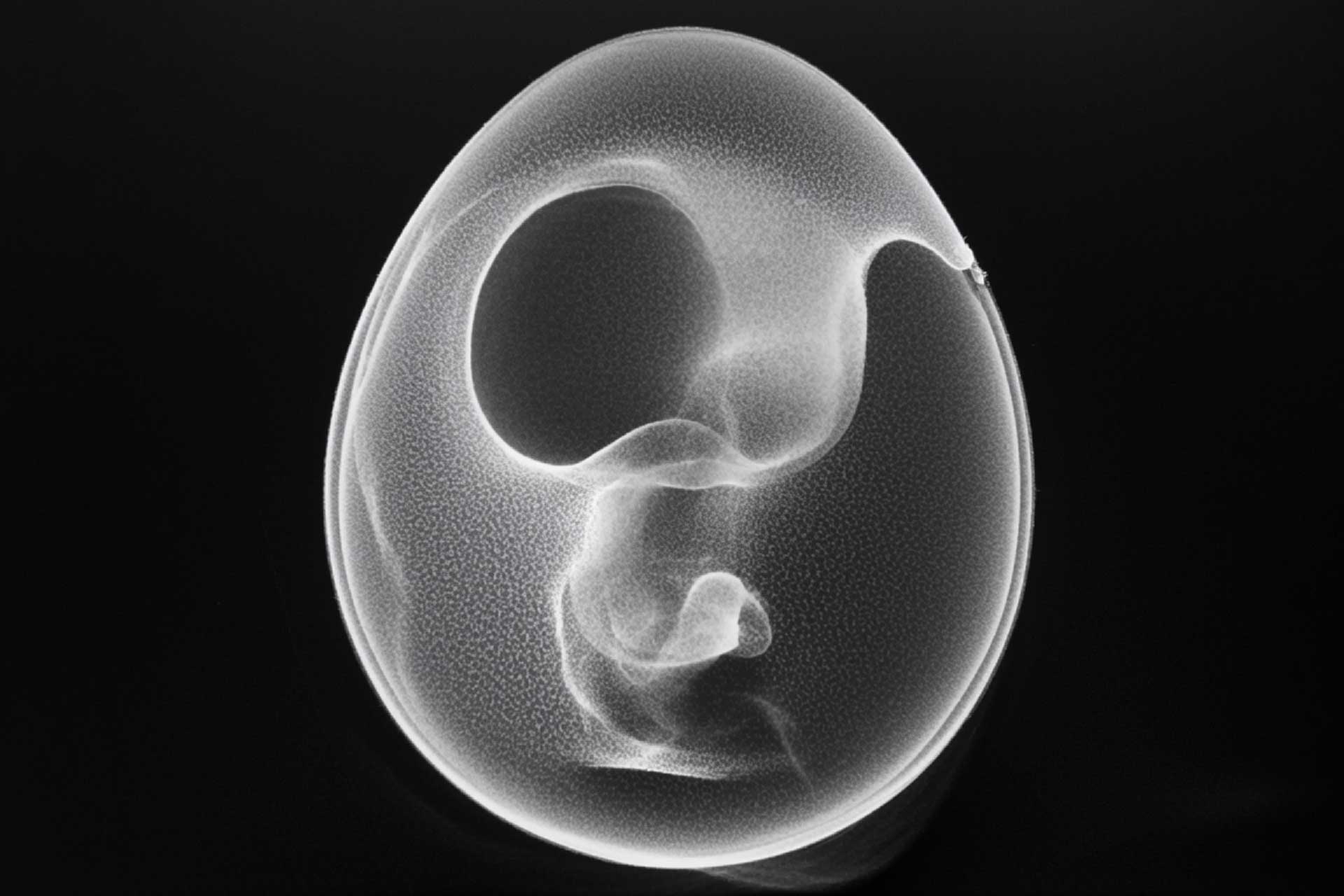
By the end of 2026, in Italy and Europe, the goal of banning the selective culling of male chicks (because they are unproductive for the egg supply chain and inefficient for meat production) has been established.
The potential ethical solution to the problem comes from research and technology in the egg industry. In the absence of the most modern in-ovo sexing solutions, male chicks born to “laying hens dedicated to breeding laying hens”
https://nutriamocidibuonsenso.it/differenze-di-peso-e-di-sesso-fra-polli/
https://moreaboutchicken.com/weight-and-sex-differences-between-chickens/
In fact, they are otherwise eliminated because they are not useful either for egg production or for meat production efficiency, being genetically different from broilers.
In-ovo sexing technologies and, in various ways, they are all aimed at solving the problem by the 14th day of incubation.
The scientific and technological research market has in fact developed solutions that can be grouped into two main approaches (often combined with artificial intelligence):
The first approach is the one that uses Molecular Biology methods (Endocrinological/DNA):
- Analysis of the allantoic fluid (the fluid contained within the allantois, i.e. the fetal membrane, which accumulates the excretory products of the embryo and facilitates respiratory exchanges in amniotic vertebrates) is the technique that involves taking a drop of fluid from the egg (non-invasively or minimally invasively), usually between the 8th and 10th day, to analyze biomarkers (hormones such as estrone sulfate or DNA).
- SELEGGT method, one of the most widespread technologies that uses a rapid chemical test on the collected fluid to determine the sex, often described as the first successful commercial process.
The second is instead the one defined by optical/imaging methods (Spectroscopy):
- Hyperspectral spectroscopy analyzes the egg using light beams, studying the light spectrum or the color of the embryo’s feathers to determine the sex. It is a non-invasive technology that usually occurs between the 12th and 15th day of incubation.
- Cheggy, developed by Agri Advanced Technologies (AAT), uses hyperspectral imaging and is used in various Italian and European incubators.
We can briefly indicate that:
- The precision of current technologies guarantees an accuracy between 97% and 99%.
- The timing indicated in the challenge of all technologies is to arrive at sexing as soon as possible (within the 10th-12th day) to avoid the perception of pain by the embryo.
- The application in Italy was defined by the Italian Ministry of Agriculture (MASAF), which approved the guidelines for the implementation of these technologies to stop culling by December 31, 2026.
- The limitations are that some optical technologies are more suitable for ” brown ” laying hens than for “white” laying hens and that any solution that the industry can approach involves high costs that the industry must decide who to pass on.
- The speed and scalability of current technologies are not always sufficient to handle the large volumes of eggs required on a large scale by the industry.
Residual ethical questions
The destruction of embryos in advanced stages is still considered problematic by some animal rights groups, although it is preferable to killing a born animal.
The primary objective, however, remains to improve animal welfare by transforming the egg-laying industry into a more ethical and sustainable system, avoiding the culling of millions of male chicks just hours after hatching.
Other objectives:
Improving animal welfare by identifying and eliminating male embryos early in incubation, ideally before they develop.
Production efficiency is achieved by reducing incubation costs (energy, space, feed) related to the development of eggs destined to produce useless males, by eliminating them before the end of the 21-day incubation period.
In summary, in-ovo sexing is a fundamental solution for the ethics of the poultry sector, but its full implementation and universal acceptance depends on overcoming economic barriers and technically optimizing the speed and timing of detection.