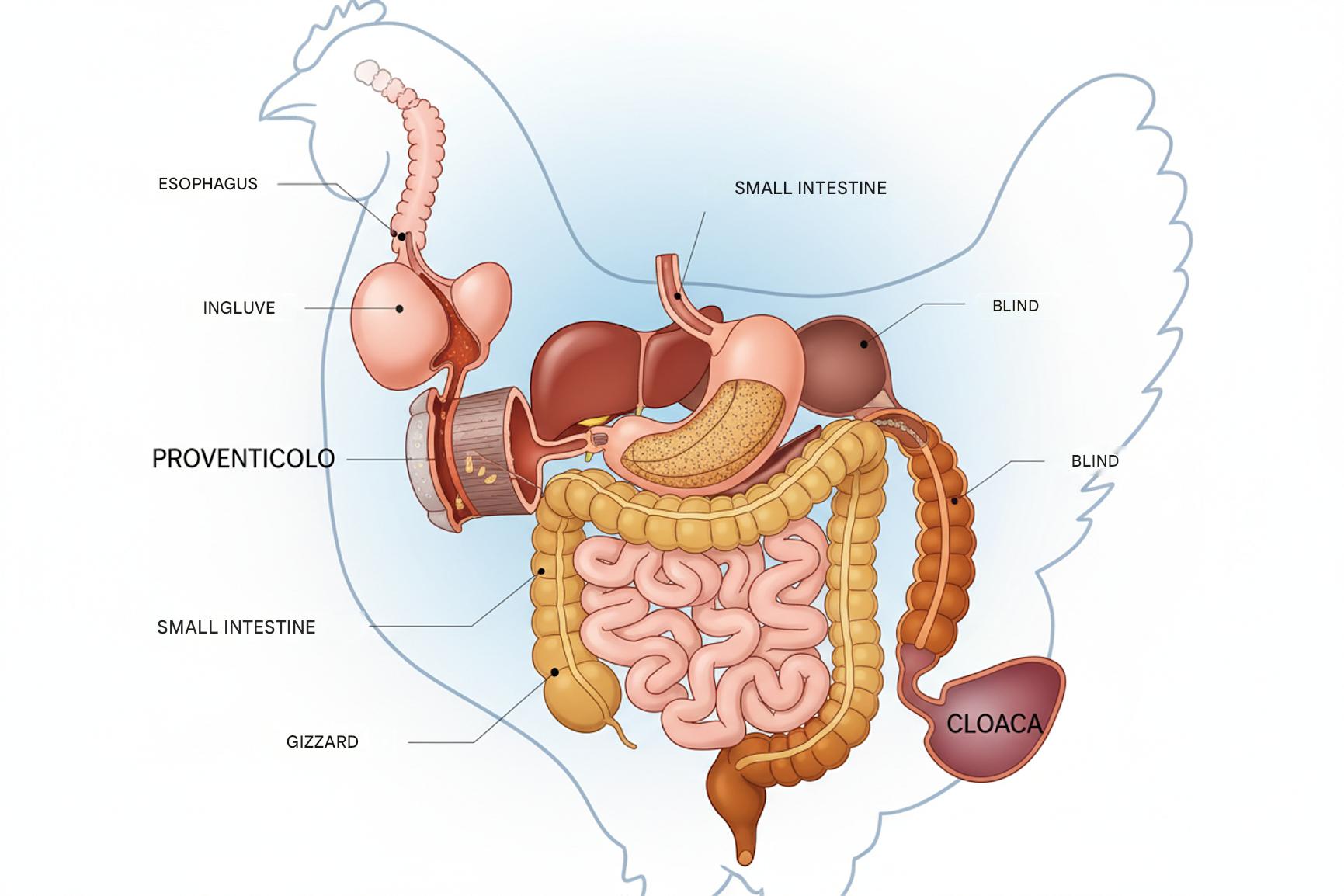
When people hear discussions about poultry production, they often imagine antibiotics, industrial shortcuts, or artificial interventions hidden somewhere behind the scenes of modern farming. Yet the reality inside many farms and research centers is far more scientific, controlled, and health-focused than most imagine.
A healthy chicken begins with a healthy intestine.
That may sound simplistic, but intestinal integrity influences almost every aspect of poultry development, from nutrient absorption to immunity, growth balance, welfare, and disease resistance. Modern poultry science increasingly recognizes that protecting gut health is not only beneficial for birds but also essential for sustainable food production.
For years, antibiotic growth promoters were widely used to help maintain flock performance. Today, however, researchers, veterinarians, and producers are investing enormous effort into finding practical alternatives that preserve bird health without relying on those tools.
This transition is not based on ideology or alarmism, but on research, field observation, and continuous scientific improvement.
Just as human nutrition evolved through decades of medical and nutritional research, poultry nutrition has also advanced considerably. Specialists study microbial communities, digestive physiology, feed composition, and environmental management to understand how chickens can remain healthy naturally and consistently throughout their development.
One important aspect involves identifying anti-nutritional factors hidden within feed ingredients. These compounds may interfere with digestion, reduce nutrient absorption, or weaken intestinal balance. Understanding and mitigating these factors allows producers to improve flock welfare while maintaining productive efficiency.
Another major focus is the microbiome.
Inside the poultry intestine exists an enormous microbial ecosystem that directly affects digestion and immune response. When this balance is disrupted, a condition known as dysbacteriosis may emerge, reducing bird performance and increasing vulnerability to disease challenges.
The goal of modern poultry science is therefore not simply faster growth, but healthier physiological balance.
This work happens through constant collaboration between researchers, veterinarians, nutritionists, and producers who test practical strategies under real commercial conditions. Behind every healthy flock, there are years of scientific studies, field trials, and nutritional adjustments designed to support animal well-being responsibly.
Contrary to common assumptions, innovation in poultry production does not always mean adding more substances or interventions. In many cases, it means understanding biology more deeply and allowing natural physiological systems to function properly through improved nutrition, management, and gut protection strategies.
Want to better understand how modern poultry production is improving gut health without relying on growth promoters? Learn more in this FREE online course by Dr. Guillermo Tellez Isaias.
Subscribe today and get instant access to all five lessons!
Register now: https://poultrypodcastshow.com/course