While it should be clarified right away that there is no single official statistic that says exactly how much chicken meat out of total sales is produced in fast food restaurants and restaurants, we can build a fairly solid picture using industry data.
To understand where the incentives to purchase – and consume – chicken lie and to what extent this is spontaneous or linked to the “place of consumption”, I carried out this initial analysis (a more detailed one will follow which you can find here the link to chicken and fast 2 ) to give due weight to the fact that chicken meat consumption is growing.
It is in fact important to distinguish where consumption takes place (at home or out of home) because an economic situation (hypothetically short-term) would shift consumption from “out of home” to “at home”, significantly impacting the total consumption.
Italy eats less meat than in the past, and less than the European average, but meat remains firmly on the plate. The latest analyses show 78–79 kg of meat per capita per year, a decrease of about 2% compared to the previous period. Agricultura.it ilmiobusinessplan.com The real news is not only “how much” we eat, but “which” meat we choose: the demand is increasingly shifting from red meat to white meat , considered lighter and more modern. Feeding ilmiobusinessplan.com
The poultry industry reveals a particularly significant statistic: in 2024, Italians consumed an average of 22 kg of white meat per capita, the highest figure in the last decade. Translated into national terms, this means well over a million tons of white meat per year, with chicken being the almost undisputed star. Two very different worlds revolve around this ingredient: home cooking, which involves supermarkets, and eating out, dominated by restaurants and, in particular, fast food chains.
According to the FIPE 2024 Report, the restaurant sector is worth over 92 billion euros in turnover and generates an added value of over 54 billion euros, with more than one million employees. blog.tilby.com Italian Catering Magazine Mondoffice These numbers include everything from Michelin-starred restaurants to neighborhood bars, pizzerias, company cafeterias, and international fast food outlets. And it’s precisely in this last segment that chicken takes on an almost all-encompassing role.
Looking at volumes, however, the bulk of chicken still passes through supermarkets. Based on overall consumption and the structure of the sector, it’s realistic to estimate that around 60–70% of the chicken consumed in Italy is purchased in large-scale retail outlets and cooked at home, while the remaining 30–40% is consumed away from home. In absolute terms, this means that Italian families probably purchase over a million tons of chicken per year in supermarkets, while restaurants absorb several hundred thousand tons.
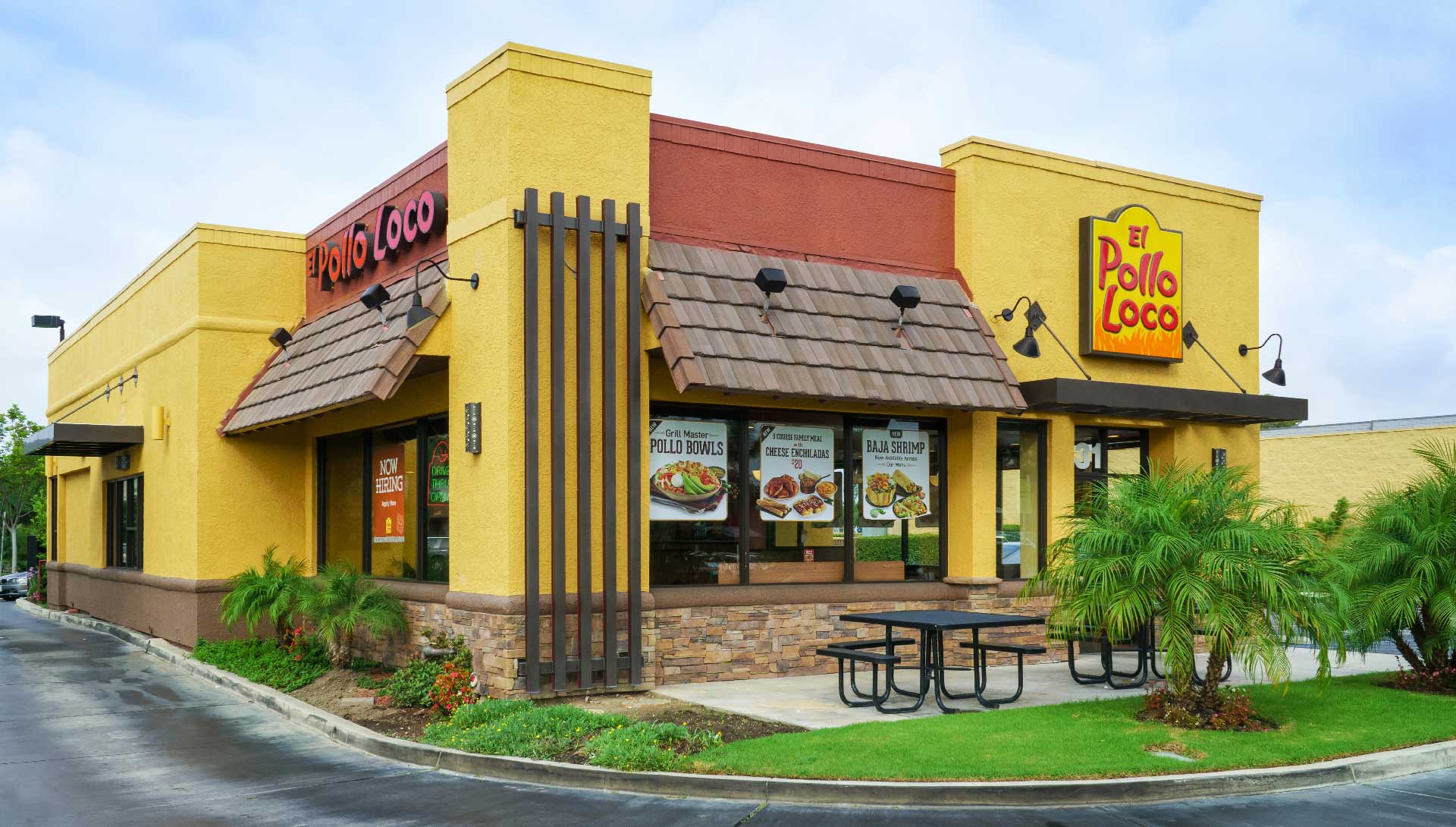
Within the restaurant industry, chicken chains and fast food outlets play a special role. While they don’t account for the majority of the sector’s revenue, they are central to chicken: menus based on nuggets, crispy chicken, sandwiches, and buckets make chicken the default choice for a quick lunch, an impromptu dinner, or last-minute delivery. It’s plausible that 35–45% of chicken consumed away from home passes through these formats, or something like 200,000–330,000 tons per year. The rest is distributed among traditional restaurants, pizzerias, canteens, and bars.
The comparison with supermarkets is therefore twofold. On the one hand, the family channel dominates volumes: more chicken is cooked at home than is consumed in fast food restaurants. On the other, chicken chains dominate the narrative and standardization: they make chicken an industrial product, uniform, easily replicable, and intensely promoted.
Environmentally, this translates into significant impacts on both sides. If we consider an average factor of 5 kg of CO₂ equivalent for every kg of chicken, domestic consumption can generate over 5 million tons of CO₂e per year, while chicken sold in fast food restaurants could be worth between 1 and 1.7 million tons of CO₂e . Added to these are the specific impacts of the restaurant industry: energy for kitchens and premises, single-use packaging, and waste.
NB: the CO₂e (Carbon Dioxide Equivalent) is a standardized unit of measurement that converts the impact of different greenhouse gases (such as methane, nitrous oxide) into a single, comparable value based on their ability to warm the planet relative to CO₂. It is calculated by multiplying the quantity of a gas by its Global Warming Potential (GWP) , allowing the total climate impact to be quantified in a single figure for comparing different emissions.
CO₂ , or carbon dioxide, is a colorless, odorless gas essential for life (photosynthesis), but in excess, often due to the use of fossil fuels and deforestation, it becomes a powerful greenhouse gas that contributes to global warming; it is an integral part of the carbon cycle and is found in nature, but human activities have significantly increased its atmospheric concentration, with significant impacts on the climate, and it is also used in fire-fighting systems and for inflation, such as in life jackets.
Looking beyond the numbers, the picture that emerges is clear: supermarkets are the dominant channel for chicken in terms of quantity, while chicken chains are the symbolic and industrial driving force behind a certain way of consuming chicken: standardized, fast, highly repeatable.
Anyone wishing to address health, the environment, or animal welfare cannot ignore either of these two factors: they must address both household choices and the menus and supply chains of large chains.
In this regard, it will be important to address the Extended Digestive Circuit (EDC) as the foundation of Responsibly Generated Value (RGR), both concepts and original works of the author © 2025-2026 Pietro Greppi. All rights reserved.
These topics will be explored further in the near future.