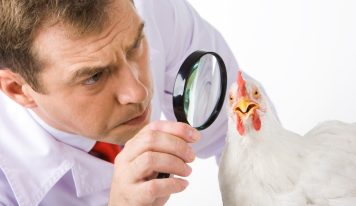
The poultry sector periodically commissions surveys and research on itself and its public perception. We’ve conducted a “research on this research” below to provide a summary and a readable version that’s understandable even to those unfamiliar with these topics, yet are prompted to reflect without clear guidance.
We decided to conduct this brief ” research on research ” to confirm our non-bias. We simply support scientific data and the need to feed the planet by following analytical and research criteria to identify the essential steps needed to produce healthy, accessible food for the 8 billion people who now inhabit the Earth. We also support the necessary transparency in communicating the methods used and the reasons behind them. We chose the poultry sector because we believe it is the most efficient, cost-effective, and ecologically sustainable sector.
To summarise what is available and public, we proceeded as follows:
Identifying key themes : We analyzed “reachable” research and surveys to identify key topics covered, which may include animal welfare, environmental sustainability, food safety, consumer preferences, technological innovation, and industry economics.
Summary of findings : We extracted the most significant data and key findings from each study. For example, we summarized the results of a survey on consumer perceptions of chicken welfare or summarized the findings of a study on the environmental impact of egg production.
Comparison and correlation : we then compared the results of different studies to identify trends, points of agreement or disagreement between the various research studies to create a more complete and multifaceted vision.
Summary in a clear format : We have written the resulting summary in an organized and easy-to-understand manner, using clear language free of excessive technical jargon. It summarizes public perceptions of the poultry sector in Italy and Europe, drawing on available research and surveys. We have divided the information into main themes for ease of reading.
NB: For even more specific research or surveys, we are always available to provide them if you request them by email using the section https://nutriamocidibuonsenso.it/contatti/ or https://moreaboutchicken.com/contact/
Here is the result of the “search on searches”:
Animal welfare
Research has shown us a strong and growing interest among Italian and European consumers in the welfare of farm animals, including chickens and laying hens.
Low awareness vs. high concern : Most consumers say they are concerned about animal welfare and want higher standards, but at the same time, many are not sufficiently informed about current practices in the poultry industry in their country. There is therefore a gap between perception and actual knowledge.
Willingness to pay : Numerous surveys indicate that a high percentage of consumers, particularly in Italy, say they are willing to pay a premium for products that guarantee animal welfare. However, when it comes to grocery shopping, purchasing decisions are often driven by economic factors, and consumers therefore tend to opt for the cheapest option. Willingness to pay more often falls below a 10% threshold.
Definition of “Welfare” : For consumers, the concept of animal welfare is primarily linked to adequate space and freedom from stress and disease. Scientific research, such as that of EFSA https://www.efsa.europa.eu/it or https://www.efsa.europa.eu/en (European Food Safety Authority) , recommend practices such as the elimination of mutilation and cages, which directly influence public perception.
Environmental sustainability
Sustainability has become a key public concern, and the poultry industry is working to address these expectations.
Main concerns
Consumers’ main criticisms and concerns concern the environmental impact of livestock farming, particularly soil and groundwater pollution, and the link between feed production (e.g., soy) and deforestation.
Progress and challenges in the sector
Poultry farms are constantly investing in technologies and practices to reduce their impact, such as through resource efficiency (water and feed) and emissions reduction. Among other considerations, the industry often emphasizes the relatively short life cycle of poultry, resulting in a lower environmental impact than other types of farming.
Innovation for sustainability
Poultry research has long focused on developing increasingly efficient breeds that consume less feed and water, and on the use of feed additives that improve animal health and reduce environmental impact.
Food Safety
Food safety is a major consumer concern, with some specificities affecting the poultry sector.
Concerns and perceptions : Consumers are particularly concerned about residues of antibiotics, hormones, and other chemical contaminants in meat. In Italy, in particular, fears of animal viruses like avian flu are higher than the European average.
Trust in sources : In general, consumers place more trust in scientists and consumer protection organizations when it comes to information about food risks than in public institutions or companies themselves. However, trust in scientific information remains a persistent credibility issue due to some scientific campaigns that yield conflicting results from different scientific bodies.
Traceability and origin : Product origin and traceability are very important factors for Italian consumers, who tend to change their eating habits more readily following news about food-related risks. This highlights the importance of transparency and clear communication from the industry, which are crucial, though never sufficient, to maintaining public trust.
However, it is important to clarify the difference between
general consumer perceptions
and the specific criticisms raised by activists, NGOs, and investigative reports.
The information above is a summary of public perceptions, that is, what emerges from surveys and large-scale research conducted on representative samples of the population. In other words, it represents the view of the average consumer, who is often unaware of the more technical details or the harshest criticisms.
The criticisms the sector faces from animal rights groups, environmental groups, and investigative journalists are often much more specific and detailed. Here’s a summary:
Animal welfare: specific criticism
NGOs and activists are not just calling for “more welfare”, but are also denouncing specific problems linked to intensive farming systems:
Suffering in barns : Complaints concern the high density of animals inside barns, which limits movement and causes stress. Intensive genetic selection, which causes animals to grow very quickly, is often blamed for skeletal problems, lameness, and heart attacks.
Mutilations : Although some practices have been reduced, there are still reports of practices such as beak-docking of laying hens, which is considered a necessary mutilation to prevent cannibalism due to stress from overcrowding.
End of life and slaughter : Criticism also focuses on the animals’ transport conditions and slaughter procedures, which are judged to be insufficiently painless.
Environmental sustainability: a detailed critique
The environmental criticisms are not generic, but point to specific impacts:
Pollution from manure : The management of organic waste (manure and sewage) is a critical issue. Excessive concentrations can pollute surface and groundwater with nitrogen and phosphorus.
Water and carbon footprint : Although the poultry sector has a smaller footprint than other sectors, critics still point to its high water consumption and greenhouse gas emissions, particularly methane and nitrous oxide. Criticism also points to the fact that part of the feed (primarily soy) comes from areas at high risk of deforestation.
Antibiotic resistance : Health and environmental associations highlight how the massive use of antibiotics, even for preventive purposes, contributes to the global problem of antibiotic resistance, with potential consequences for human health as well.
In short, the discrepancy in perceptions or criticisms you may have noticed depends on the fact that the “general public” perceives the problem in a generic and sometimes superficial way (“I want animals to be well”), while critics in the sector (activists, scientists, etc.) have precise and detailed aims on the problems and denounce them, with specific data and investigative reports which often – in the case of activists – are however dictated by personal suggestions and instrumental interpretations of data and apparent evidence that should be read with more seriousness and greater scientific knowledge.
Insights that challenge the views of activists and NGOs—in a timely manner and free from bias or instrumental intent—can be easily found by browsing our website, including by searching for keywords on the topics closest to your heart.
In case If you don’t find what you’re looking for, please write to us here: https://nutriamocidibuonsenso.it/contatti/ or https://moreaboutchicken.com/contact/