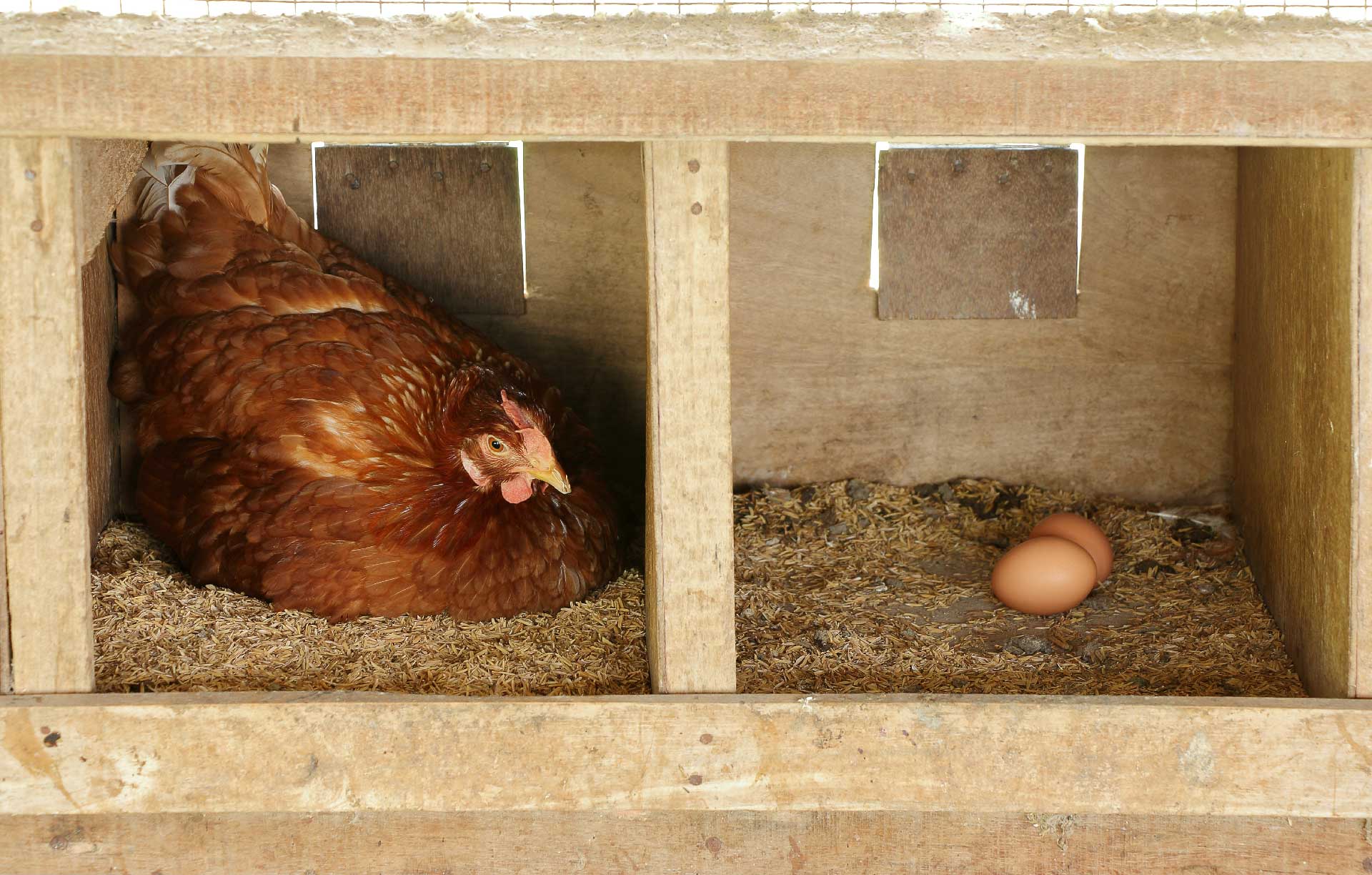
The phrase “which came first, the chicken or the egg?” is often used to metaphorically indicate the difficulty of having a certain answer to questions of cause and effect.
But, moving from the metaphor to the reality from which the metaphor draws, it could be interesting to retrace the stages of the poultry supply chain up to our table to find a “scientific” answer.
Chickens begin their lives in hatcheries, where fertilized eggs (not table eggs) begin the journey that will lead them to become chickens raised for meat. These are called broilers.
Once hatched, the chicks are transported to modern farms equipped with systems designed to keep the animals in the best possible conditions of health and general well-being, respecting the natural expression of their social instincts, despite what critics may say.
On farms, chickens roam, eat, drink, and socialize with other chickens under the supervision of farmers/breeders and veterinarians, who ensure that all chickens are comfortable, healthy, and thrive without any stress, whether dietary or environmental.
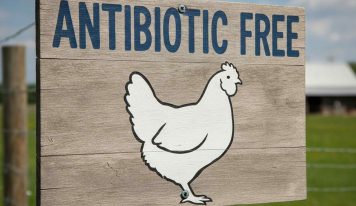
It’s worth highlighting a “possibility” often portrayed as “common practice” by animal rights activists: like humans, chickens can get sick and only then need to be treated with antibiotics.
However, chicken sold in large-scale retail outlets is always free of antibiotics because the quality of animal welfare controls includes the quality of consumer welfare, which will ultimately be consumed by that meat. In fact, the veterinary control system regulates the periods during which antibiotics are not administered to ensure that no meat intended for sale contains any drug residues. We’ve also explored this topic in more detail here:
https://nutriamocidibuonsenso.it/ma-questi-antibiotici-nei-polli-ci-sono-o-no/
https://moreaboutchicken.com/but-are-these-antibiotics-in-chickens-or-not/
Speaking of “treatments,” no chicken receives hormones or steroids (as is often said, especially in bars), both because this practice is prohibited and, above all, because it is useless, given that chickens, not being mammals, do not benefit from it. It would also represent a significant increase in costs for the supply chain, which, economically, already relies on very low margins, and therefore such treatments (one dose of hormones costs as much as 10 chickens) would make it unsustainable.
It may seem superfluous to underline that agricultural businesses must necessarily comply with some rules that must be fulfilled simultaneously:
- economic sustainability,
- the guarantee of animal welfare
- the guarantee of human health (both of those who work there and of those who benefit from it as consumers).
Returning to the journey of our chicken, once it reaches its ideal weight (usually 2 to 4 kg depending on its commercial destination), it is transferred to the processing and slaughtering process… and on this point we can make all the necessary reflections, but we must keep in mind that humanity must plan and provide for its own survival… and that someone has to do it.
Many animal rights activists are also fiercely critical of the journey from the farm to the slaughterhouse, pointing the finger at transportation. However, this must always be as short as possible, and it is the only time a broiler chicken spends in a cage… a practice that is also necessary to ensure the animal’s safety during the journey.
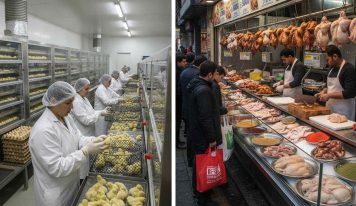
Once at the plant, the chickens are quickly killed (we could use dozens of other terms to describe the act preceding slaughter, but that would be a foolish exercise) using carefully studied and certified practices to ensure they do not suffer. They are then refrigerated and inspected by veterinarians from the health authorities who, before allowing and authorizing their distribution to shops, large retailers, or restaurants, must certify their healthiness.
The most efficient, nutritious, international, healthy, economical, and certified food supply system available to humanity is still the one that, from the egg to the chicken—whichever came first — provides us with essential nutrients for our survival… without denying that our diet must be varied and also include the support of the plant world.
* But we started with the dilemma of “which came first, the chicken or the egg?” To find a scientific and well-documented answer, you can go to:
https://www.science.org.au/curious/everything-else/which-came-first-chicken-or-egg
You’ll be surprised. It’s in English, but Google translates it quite well.
You can find more poultry-related content that answers a variety of questions here: https://moreaboutchicken.com/ – https://nutriamocidibuonsenso.it/
Pietro Greppi – Ethical advisor – info@ad-just.it